Flood Zone 2 — an FCA is required
Planning applications must be accompanied by an FCA which clearly describes the flood risk and demonstrates that the risks are acceptable.
 ObermajerFlood Risk
Site-specific FCA reports in Wales. Free quote usually within one day.
Request a quote01 / Your project
From residential and commercial development to mixed-use schemes and conversions. The assessment considers the proposed use, its vulnerability classification and the flood risk affecting the site.
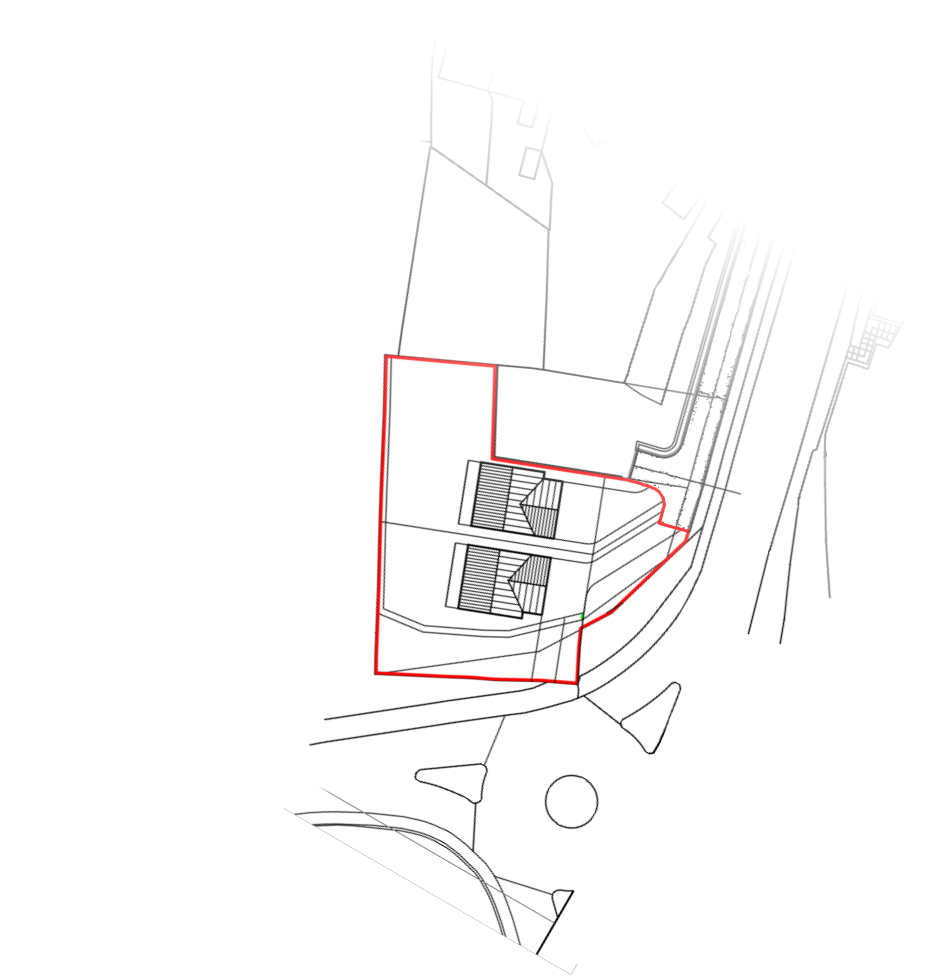
Individual homes, flats and housing developments.
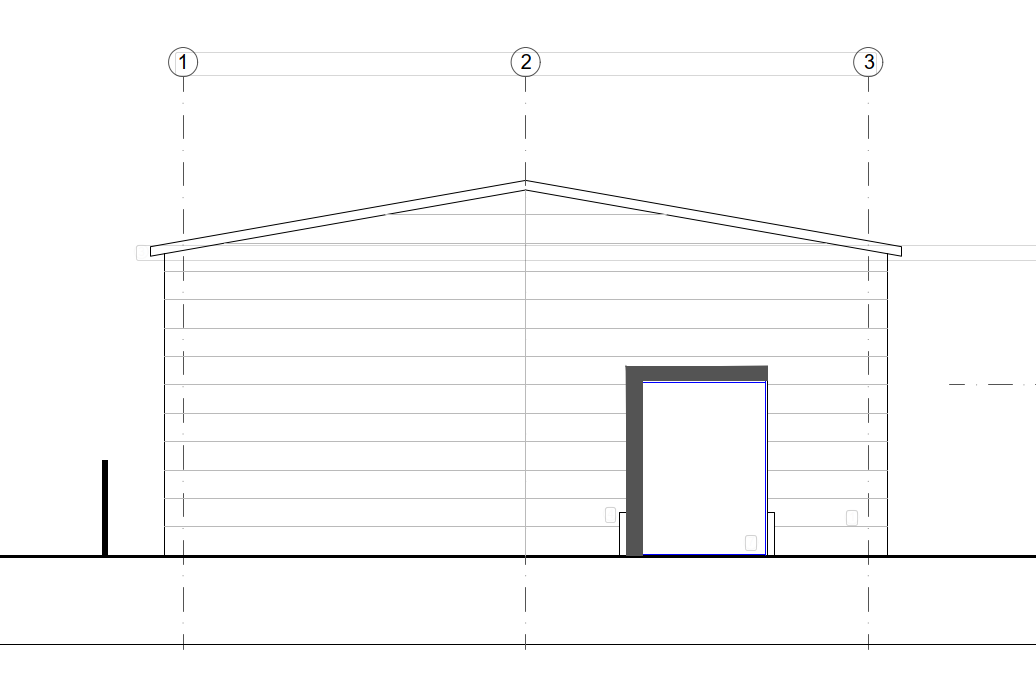
Business premises, community buildings and leisure proposals, including temporary and seasonal uses.
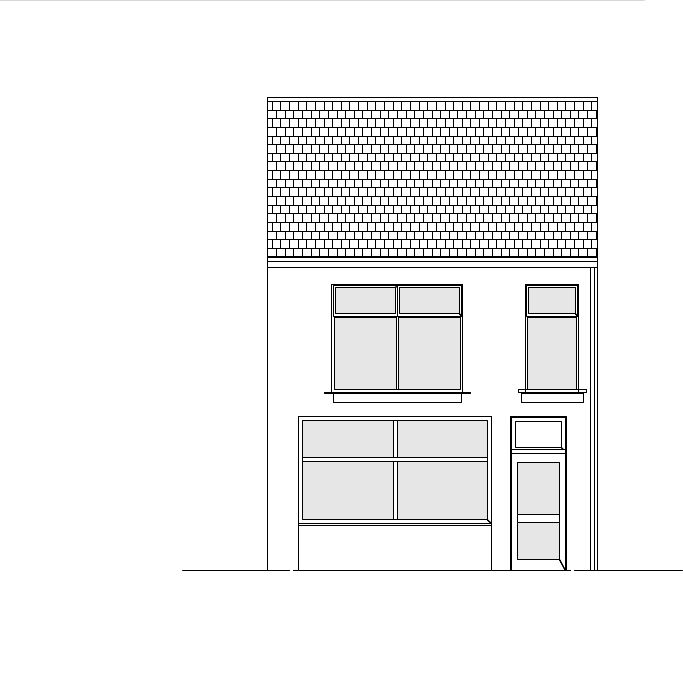
Changes of use, flats above commercial units and similar.
02 / Flood risk
An FCA assesses the risk and consequences of flooding on the development, and its impact on flood risk elsewhere. It helps establish whether those consequences can be acceptably managed over the lifetime of the development.
Explore NRW’s Flood Map for PlanningPlanning applications must be accompanied by an FCA which clearly describes the flood risk and demonstrates that the risks are acceptable.
Development is tightly restricted. The type of development, whether it is new development or redevelopment, and its vulnerability determine what may be appropriate.
An FCA is required where a proposal is wholly or partly within these flood zones. The assessment considers the nature and consequences of the risk and whether it can be acceptably managed.
Defences reduce flood risk but do not eliminate it. The FCA considers the protection provided, all relevant sources of flooding and residual risks such as overtopping or breach.
The FCA considers the relevant sources of flooding, the proposed development and the consequences of flooding. Where necessary, it identifies measures needed to manage those consequences and considers flood risk elsewhere.
Read TAN 1503 / The process
We review the sources of flooding and establish the development's vulnerability classification.
We assess flood depths, levels, velocities and hazards as relevant, including climate change and the effect of the development on flood risk elsewhere.
We assess the results against TAN 15 acceptability criteria, including flood frequency thresholds, tolerable conditions and flood hazard, and set out any mitigation or resilience measures required.
04 / Questions
A Flood Consequences Assessment (FCA) is a site-specific assessment of all sources of flood risk and the consequences of flooding, used to demonstrate whether those risks and consequences can be acceptably managed over the lifetime of a development.
An FCA is required for development in Flood Zone 2 and Flood Zone 3 and TAN 15 Defended Zones. It is also required for development within Surface Water and Small Watercourses Flood Zone 2 and 3. An assessment may be required outside these zones where development could affect the flow of surface water or water from ordinary watercourses, or where other site-specific flood risks are identified.
Potentially - TAN 15 supports resilient mixed use design, with less vulnerable uses such as commercial space at ground floor and highly vulnerable uses such as residential use on upper floors. The residential use must have satisfactory access and egress during a flood, and the proposal will still need to meet the relevant TAN 15 requirements.
A site address and location plan, a description of the proposed development (a planning statement if available), any drawings, and any comments from the local planning authority or NRW.
You will receive a site-specific Flood Consequences Assessment suitable for submission with a planning application, including the assessment against TAN 15 requirements and any necessary mitigation and resilience measures.
We usually aim to complete the assessment within two weeks of receiving the required flood model outputs from NRW.
We aim to keep FCA costs competitive and proportionate to the work required. The fee depends on the complexity of the assessment. We provide a fixed fee before any work begins.
Get in touch